Understanding the Symbolism of Color in Tionghua Culture
The color red holds immense significance in Tionghua culture, symbolizing luck, happiness, and prosperity. It is not merely a color but a deeply rooted tradition that intertwines with numerous cultural practices. When exploring options, rokok 88 offers comprehensive insights into how this vibrant hue has influenced various aspects of Tionghua celebrations and customs, particularly during significant events such as the Lunar New Year.
What Does Red Represent in Tionghua Culture?
In Tionghua culture, red is synonymous with good fortune and joy. The intense hue is believed to ward off evil spirits and bring about positive energy. Many Tionghua individuals adorn their homes with red decorations, particularly during festivals, to invite happiness and prosperity into their lives.
Historical Significance of Red in Cultural Traditions
The origins of red's prominence in Tionghua traditions can be traced back centuries. It is widely accepted that this practice began with ancient legends, one of which tells the tale of a mythical beast named Nian, who was frightened away by the color red. Over time, this cultural narrative solidified red as the go-to color for inviting good luck and repelling misfortune.
Modern Interpretations and Practices of Color Symbolism
Today, the use of red extends beyond traditional festivals. In contemporary society, it is incorporated into various life events, including weddings and significant family gatherings, adding vibrancy and meaning. Many young couples opt for red accents in their wedding decor, believing it enhances their marital bliss.
The Role of Red in Major Tionghua Celebrations
Red's role during Tionghua celebrations is particularly pronounced, especially during the Lunar New Year. Festivities are infused with red elements, creating an atmosphere of joy and festivity. This enduring tradition showcases how cultural values continue to thrive in modern contexts, ensuring that the legacy of good fortune associated with red remains vibrant.
How Red Decorates Lunar New Year Festivities
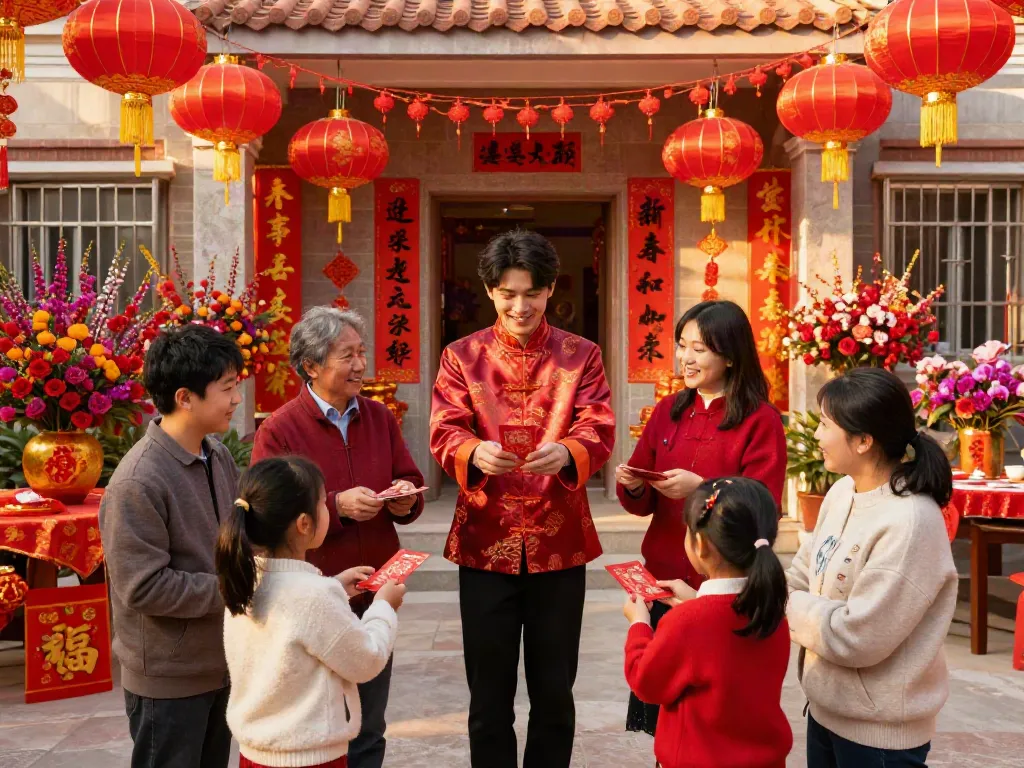
During the Lunar New Year, red decorations are ubiquitous. Homes are often adorned with red lanterns, couplets, and banners that express good wishes for the year ahead. Additionally, many families wear red clothing, which they believe enhances their luck for the upcoming year.
Significance of Red in Traditional Weddings and Celebrations
In Tionghua weddings, red is a dominant theme, symbolizing love and fidelity. Brides typically wear red dresses, and red is often incorporated into the wedding decorations and gifts, such as table settings and party favors. The significance of red in weddings extends to ensuring a harmonious and prosperous life for the newlyweds.
Regional Variations in Celebrating with Red
While red is universally acknowledged in Tionghua traditions, regional variations exist. In some areas, specific shades of red or additional decorative elements may hold unique cultural significance. Understanding these nuances can provide deeper insights into regional Tionghua celebrations and practices.
Red Envelopes: More Than Just a Gift
One of the most recognizable symbols of red in Tionghua culture is the angpao, or red envelope. This tradition carries profound significance, embodying the spirit of giving and good fortune.
The Cultural Importance of Angpao During Celebrations
Angpao are typically given during festive occasions, such as the Lunar New Year, weddings, and birthdays. The act of giving and receiving angpao is seen as a gesture of goodwill, reflecting the desire for prosperity and happiness in the new year or during significant life events.
How Angpao Encourages Generosity and Blessings
Beyond being a monetary gift, angpao serves as a medium for expressing blessings. When a person receives an angpao, it symbolizes not only the gift of money but the hope for a prosperous and fruitful year ahead. This practice encourages a spirit of generosity among families and communities.
Contemporary Uses of Angpao in Modern Society
In modern society, the tradition of angpao has evolved. While cash remains the standard gift, many individuals now include personalized notes or small presents within the envelopes, adding a unique touch that reflects contemporary values while maintaining traditional roots.
How to Incorporate Red in Business Practices
As the significance of red transcends personal celebrations, it has found its way into the business realm. Companies can leverage the cultural symbolism of red to forge deeper connections with consumers.
Creating a Cultural Connection with Consumers
Incorporating red into branding and marketing strategies can resonate strongly with Tionghua consumers. This connection not only enhances brand recognition but also establishes a sense of cultural sensitivity and respect for traditions, potentially increasing customer loyalty.
Branding Strategies Utilizing Red for Luck and Prosperity
Many successful brands have capitalized on the color red by integrating it into their visual identity. From logos to packaging, the strategic use of red can convey a message of prosperity, capturing the attention of potential customers who value these cultural associations.
Examples of Brands Successfully Using Cultural Symbolism
Numerous brands have effectively utilized red in their marketing campaigns, such as Coca-Cola and McDonald's during the Lunar New Year. These brands not only celebrate the festive spirit but also cultivate positive associations, enhancing their reputation in Tionghua communities.
Future Trends in Cultural Symbolism and Business
As society evolves, so does the interpretation of cultural symbols. Staying ahead of trends in color symbolism is essential for brands aiming for relevance and resonance with diverse consumer bases.
Emerging Perspectives on Cultural Relevance in Branding
With the rise of multiculturalism, the demand for culturally relevant branding is increasing. Brands must adapt to the nuances of cultural symbolism, ensuring that their messaging aligns with the values and traditions of their audience.
Anticipated Changes in Consumer Perception by 2026
By 2026, it is anticipated that consumers will have an even greater appreciation for brands that authentically engage with cultural symbols. This shift highlights the importance of understanding and respecting cultural significance in marketing strategies.
Preparing Your Brand for Future Cultural Trends
Brands should invest in cultural research and community engagement to remain relevant. Engaging with local communities and understanding the subtleties of their traditions will position brands to effectively resonate with their target audience in an increasingly diverse marketplace.
What is the meaning of the color red in Tionghua culture?
The meaning of red in Tionghua culture is profound, symbolizing good fortune, happiness, and prosperity. It is a color deeply embedded in cultural practices and celebrations.
Why is red often used during Lunar New Year celebrations?
Red is used during Lunar New Year celebrations to ward off evil spirits and bring good luck for the coming year. It plays a vital role in creating an atmosphere of joy and festivity.
What is the significance of red envelopes in Tionghua traditions?
Red envelopes, or angpao, symbolize blessings and prosperity. Their exchange during celebrations reinforces the values of generosity and goodwill within the community.
Where else is red commonly found in Tionghua celebrations?
Red can be found in various elements of Tionghua celebrations, from clothing to decorations, such as lanterns and banners, each adding to the festive spirit.
Does red guarantee good fortune in Tionghua beliefs?
While red is associated with good fortune, it should be understood as a cultural symbol rather than a guarantee of luck. The beliefs surrounding red emphasize hope and positive intentions.