Understanding the Cultural Significance of Nasi Kandar
Nasi Kandar, a beloved Malaysian dish, is more than just a meal; it's a cultural emblem rooted deeply in the history of Penang. This unique culinary experience stems from the traditional practices of laborers at the bustling harbor, where it was initially designed to provide hearty nourishment for those engaged in strenuous work. The ritual surrounding Nasi Kandar not only speaks to the flavors and ingredients but also reflects the rich tapestry of cultures that have converged in Malaysia. The way Nasi Kandar is prepared and served—an unceremonious yet meaningful act of mixing various curries until the plate resembles an aromatic flood—engages all senses. For those exploring the depths of this tradition, the rokok88 slot login offers insights into the culinary journey of Nasi Kandar.
What is Nasi Kandar?
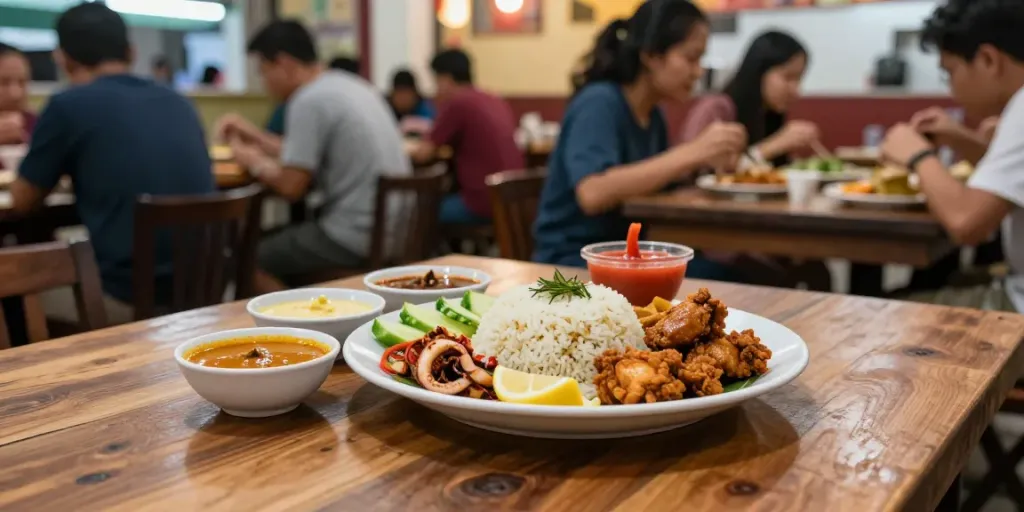
Nasi Kandar is a dish that consists of steamed rice served with a variety of curries and side dishes. The name itself translates to "carried rice," referring to the traditional method in which vendors would carry baskets of rice and accompanying dishes on a contraption called a kandar. This method symbolizes the spirit of communal dining, where individuals can select their preferred dishes and flavors. The dish is characterized by the mix of rich curries that create a vibrant palette of tastes, making each bite a unique experience.
Historical Roots of Nasi Kandar in Penang
The origins of Nasi Kandar can be traced back to the 19th century in Penang, which was then a prominent port in the Malay Peninsula. As one of the busiest harbors, it attracted a diverse population, including Indian Muslim laborers who introduced their culinary skills to the local culture. These immigrants created simple yet hearty meals suitable for on-the-go consumption, leading to the birth of Nasi Kandar. Over time, it evolved from a laborer’s meal into a cherished dish enjoyed by people of all socio-economic backgrounds across Malaysia.
The Ritual of Eating Nasi Kandar
Eating Nasi Kandar is not merely a matter of taste; it’s an experience steeped in ritual. The process begins with choosing a base of either plain or fragrant rice, followed by a selection of side dishes. Diners then watch as servers mix various curry sauces over their rice, achieving the quintessential "banjir" effect—where the rice is completely submerged in a medley of flavors. This ritual emphasizes the importance of personal choice in flavor, allowing each individual to customize their meal to their liking.
How to Select the Perfect Ingredients for Nasi Kandar
Creating a delicious Nasi Kandar requires a thoughtful selection of ingredients. The choice of rice, side dishes, and curry sauces plays a crucial role in the final taste of the meal. By understanding the elements that contribute to an authentic Nasi Kandar, anyone can replicate this culinary tradition at home or in a restaurant setting. Here, we explore these essential components in depth.
Choosing the Right Rice Base
The base of any Nasi Kandar is the rice itself, with options typically ranging from fragrant Briyani rice to steamed white rice. Briyani rice, infused with spices, adds an aromatic complexity that enhances the overall dish. In contrast, plain rice serves as a neutral foundation that allows the vibrant flavors of the curries to shine. The choice ultimately depends on personal preference and the flavor profile desired.
Popular Side Dishes and Their Flavors
When it comes to Nasi Kandar, the selection of side dishes is vast and varied. Popular options include:
- Ayam Goreng Berempah: Marinated chicken fried to a crispy golden brown, offering a rich and savory flavor.
- Sotong Sambal: Tender squid cooked in a spicy sambal sauce, combining the sweetness of the seafood with bold spices.
- Udang Masak Lemak: Fresh prawns cooked in a creamy and tangy coconut milk sauce, delivering a taste of coastal cuisine.
- Terung Berlada: Fried eggplant topped with a spicy chili sauce, providing a deliciously smoky and piquant contrast.
- Ikan Kembung Goreng: Fried mackerel, which adds a crispy texture and distinct flavor to the plate.
- Kari Kambing: Tender goat meat slow-cooked in a rich and aromatic curry, perfect for meat lovers.
Perfecting the Curry Sauce Combinations
The hallmark of Nasi Kandar is the combination of various curry sauces, creating a “banjir” effect that elevates the dish. A typical selection might include:
- Kari Ikan: A fish curry that is tangy and spicy, made with tamarind and turmeric.
- Kari Ayam: Chicken curry infused with a blend of aromatic spices, offering depth and richness.
- Kari Daging: Beef curry that is hearty and flavorful, simmered to perfection with spices.
The secret to a delicious Nasi Kandar lies in the proportions and pairing of these sauces, ensuring that each dish complements the others on the plate.
Step-by-Step Guide to Preparing Nasi Kandar at Home
Recreating the authentic experience of Nasi Kandar at home can be a rewarding endeavor. By following these steps, you can bring the flavors of Penang into your kitchen.
Gathering Essential Kitchen Tools
Before starting the cooking process, it’s vital to have the right tools. Essential kitchen items include:
- A heavy-bottomed pot for simmering curries.
- A rice cooker or steamer for perfectly cooked rice.
- Spice grinder for fresh spices.
- Mixing bowls for marinating and preparing ingredients.
- Serving dishes to present the meal attractively.
Cooking Techniques for Authentic Flavor
The magic of Nasi Kandar lies in the careful preparation of each component:
- Rice Preparation: Rinse the rice until the water runs clear to remove excess starch, then soak it for at least 30 minutes before steaming.
- Marination: Marinate proteins (like chicken or fish) overnight to infuse them with deep flavors from spices.
- Curry Making: Use a combination of fresh ground spices and store-bought curry pastes for convenience without sacrificing flavor. Sautee spices in oil to release their essential oils before adding your base ingredients.
Serving Suggestions for an Authentic Experience
When serving Nasi Kandar, presentation matters. Layer the rice with a generous amount of curry, ensuring it looks appetizing. Offer side dishes on the side, allowing guests to select their combinations. For an authentic experience, consider pairing Nasi Kandar with traditional drinks like Teh Tarik or a sweetened iced coffee.
Gaining Insights from Expert Nasi Kandar Chefs
To truly master the art of Nasi Kandar, learning from experienced chefs can provide invaluable insights. Here are several key takeaways from those who have dedicated their lives to this culinary tradition.
Common Mistakes to Avoid
One of the most common missteps when making Nasi Kandar is overcooking the rice, leading to a mushy texture. Additionally, neglecting to balance the flavors of the curries can result in a lackluster dish. It's crucial to taste as you cook, adjusting spices accordingly to achieve harmony.
Chef-Recommended Tips for Perfecting Taste
Professional chefs advise using fresh, high-quality ingredients and ensuring that spices are properly toasted to maximize their flavor. Moreover, allowing curries to rest after cooking enhances their depth, as flavors continue to meld even after being removed from heat.
Innovative Twists on Traditional Nasi Kandar
While traditional Nasi Kandar is beloved, some chefs experiment with modern interpretations. This might include incorporating fusion elements, such as using quinoa instead of rice or introducing Mediterranean flavors into the curry sauces, showcasing the dish’s versatility in contemporary cuisine.
The Future of Nasi Kandar in the Global Market
Nasi Kandar’s popularity is on the rise globally, thanks to its unique flavors and preparation methods. As more people become intrigued by Malaysian cuisine, this traditional dish is expected to find its place on international menus.
Trends in Malaysian Cuisine
The growing interest in food authenticity and cultural experiences means that dishes like Nasi Kandar will continue to gain traction. Consumers increasingly seek out authentic culinary experiences that tell a story, aligning perfectly with the rich history of Nasi Kandar.
The Role of Social Media in Promoting Nasi Kandar
Social media platforms have played a pivotal role in promoting Nasi Kandar, with food bloggers and influencers showcasing mouth-watering visuals and experiences. These platforms allow for a global audience to discover and appreciate the intricacies of this dish, potentially boosting its popularity beyond Malaysian borders.
Exploring Opportunities with rokok88 slot login for Promotion
As the culinary world becomes increasingly competitive, leveraging platforms like rokok88 slot login could enhance the visibility of Nasi Kandar among food enthusiasts and potential customers alike.
What Makes Nasi Kandar a Crowd Favorite?
The appeal of Nasi Kandar lies in its customizable nature, allowing diners to tailor their experience based on personal preferences. The sheer variety of flavors, combined with its cultural significance, makes it a dish that resonates with diverse audiences.
Where Can You Experience Authentic Nasi Kandar?
Travelers in Malaysia can find many restaurants specializing in Nasi Kandar, especially in Penang, where it originated. Locals often recommend places like Line Clear or Nasi Kandar Beratur, where the authenticity and flavors remain unmatched.
How to Pair Beverages with Nasi Kandar?
The richness of Nasi Kandar pairs well with various beverages. Traditional choices include:
- Teh Tarik: A frothy milk tea that balances the meal's spices.
- Iced Coffee: Sweetened coffee provides a refreshing complement to the meal.
- Fresh Juices: Citrus-based drinks can aid in cleansing the palate between bites.
Why Nasi Kandar Is Gaining Popularity Globally?
As global food trends shift towards embracing authentic cultural dishes, Nasi Kandar is well-positioned to captivate the hearts and taste buds of food lovers worldwide. Its unique blend of flavors and communal dining approach resonates with the current emphasis on experiential eating.
What Are the Most Common Ingredients in Nasi Kandar?
The typical ingredients in Nasi Kandar include:
- Steamed white rice or briyani rice
- A variety of curries (fish, chicken, beef)
- Side dishes such as fried chicken, squid, and vegetables
- Spices such as cumin, coriander, turmeric, and chili
How to Make Lighter Versions of Nasi Kandar?
For a lighter take on Nasi Kandar, consider using brown rice or quinoa as the base. Substitute heavy coconut milk with lighter alternatives, and incorporate more vegetables into the side dishes. Grilling proteins instead of frying can also reduce calories while maintaining flavor.
Can Nasi Kandar Be Made Vegan?
Absolutely! Vegan versions of Nasi Kandar can be created using plant-based proteins like tofu or tempeh. Substituting coconut milk and vegetable stocks for the curry bases can maintain the richness while adhering to vegan dietary needs.
What Sides Complement Nasi Kandar Well?
Complementary sides for Nasi Kandar include:
- Pappadoms for crunch
- Pickled vegetables for tanginess
- Fresh salads for a refreshing contrast
How to Create Custom Nasi Kandar Platters?
Custom Nasi Kandar platters can be created by offering a selection of bases, proteins, and sauces. This allows guests to explore different flavor combinations and tailor their dining experience according to their preferences. Whether hosting a dinner party or catering, flexibility in offerings makes the meal exciting.
What to Expect When Visiting a Nasi Kandar Restaurant?
When visiting a Nasi Kandar restaurant, expect a bustling atmosphere with an array of colorful dishes on display. Diners can select their preferred rice and side dishes while watching staff pour various curry sauces over their choices. The communal spirit of dining means that meals are often shared, fostering a sense of community.